
Low Testosterone
Testosterone is the most powerful hormone in male metabolism. It affects muscle and bone, fat distribution, energy, mood and sexual desire, and it also makes other sexual health treatments work better. Levels fall gradually with age, but a drop that causes symptoms is not something you simply have to accept. With proper testing, low testosterone can be treated safely under medical supervision.
For years, many men were told that falling testosterone is just part of getting older, and that treatment carries a heart risk. Newer evidence has changed that view. In the right patient, with the right monitoring, treatment can make a real difference to how you feel.
Signs to Recognize
- Reduced sex drive or weaker erections
- Tiredness and low energy, even after a good night's sleep
- Weight gain around the belly and loss of muscle
- Low mood, irritability or poor concentration
When to Reach Out
If you recognise several of these signs, a blood test is the first step. Testosterone should be measured in the morning, usually on two separate occasions, and interpreted together with your symptoms, your general health and your plans for children.

Support for International Patients
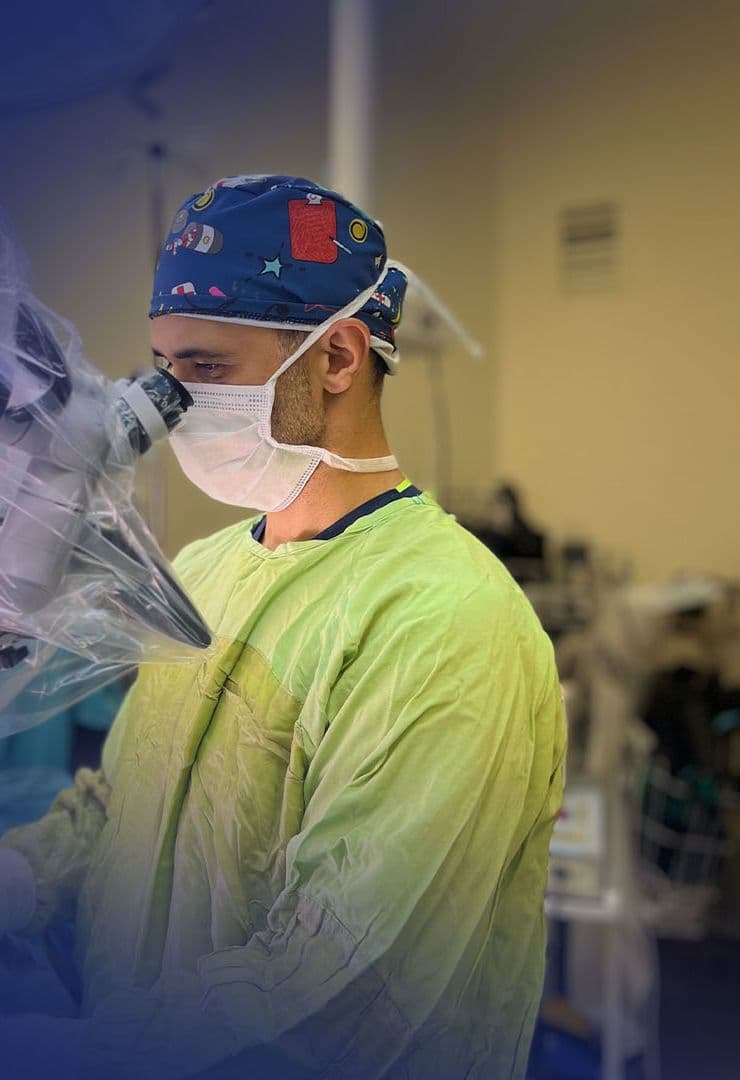
We welcome patients from abroad and are experienced in coordinating care remotely. From your first consultation through treatment and follow-up, our team communicates clearly in English and helps you understand every step, so you can feel confident and cared for throughout the process.
Related Articles
- Is My Penis Getting Smaller With Age? What You Can DoFalling testosterone, stiffening arteries and belly fat can all make the penis look shorter with age. It isn't inevitable, and much of it can be slowed down.
- Is Testosterone Therapy Safe? What the TRAVERSE Trial ChangedA large trial of 5,246 men found no increase in heart attacks or strokes with testosterone therapy, and the FDA updated its warning in 2025. Here's what that means for you.